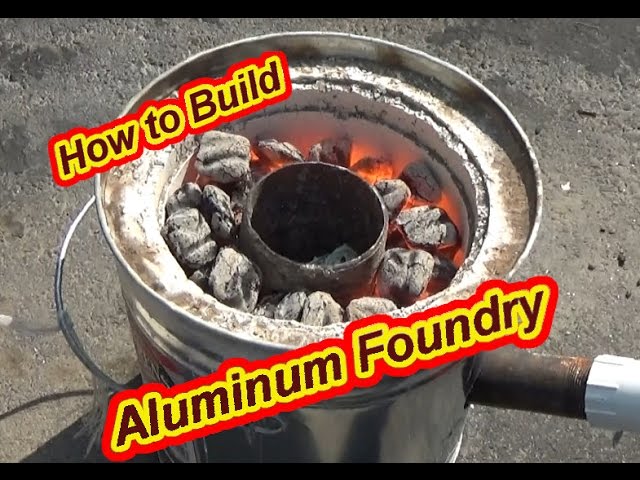
Just How Metal Casting Shapes the Future of Cutting-edge Product Style and Advancement
Steel casting is becoming a pivotal force in the domain of item layout and development. Its ability to create elaborate geometries and lightweight structures uses designers brand-new methods for advancement. Combined with developments in innovation and an emphasis on sustainability, steel casting practices are advancing. This advancement raises questions regarding the future trajectory of style throughout industries. What effects will these modifications have for both customers and makers alike?
The Advantages of Steel Casting in Item Advancement
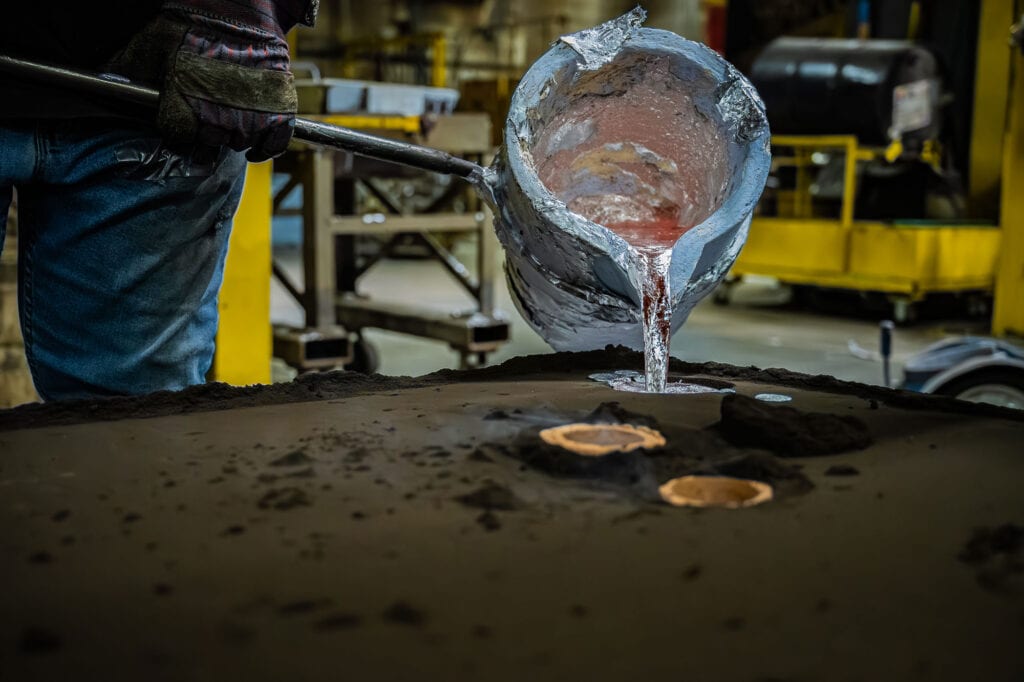
While various production techniques exist, metal casting sticks out for its one-of-a-kind advantages in product growth. This technique enables the production of intricate shapes and complex styles that may be difficult or impossible to achieve with various other procedures. The adaptability of steel casting makes it possible for the use of numerous materials, including iron, bronze, and aluminum, providing developers with a large variety of alternatives to satisfy specific needs. Additionally, metal casting is economical for both large and little manufacturing runs, as it lessens material waste and reduces the need for extensive machining.
The sturdiness and stamina of actors metals contribute to the durability of the last products, making them appropriate for requiring applications. The ability to produce big parts in a single piece minimizes setting up time and enhances architectural stability. Generally, metal spreading works as an essential strategy that supports innovation and efficiency in product growth across countless industries
Ingenious Applications of Metal Casting in Numerous Industries
Steel casting plays a significant function in various markets, showcasing its cutting-edge applications past standard production. In the vehicle market, as an example, steel spreading enables the production of light-weight yet long lasting components, boosting fuel effectiveness and performance. Aerospace industries make use of sophisticated casting techniques to create intricate parts that satisfy strict safety and security and weight demands, assisting in the development of sophisticated airplane styles.
In the energy sector, metal spreading is vital for manufacturing generator components and architectural components that hold up against extreme conditions. The clinical field take advantage of customized castings for surgical instruments and prosthetics, allowing for precise tailoring to specific client needs. Furthermore, the imaginative sector employs metal casting to create ornamental products and detailed sculptures, combining modern technology with creativity. These varied applications highlight how metal casting not just sustains conventional production yet likewise drives innovation throughout different sectors, leading the way for brand-new items and services.
The Role of Sustainability in Steel Casting Practices
As sectors significantly focus on environmental responsibility, the combination of sustainability into metal spreading methods has actually become essential. This change is driven by the demand to reduce waste, preserve energy, and restriction greenhouse gas exhausts. Many factories are adopting recycled products, utilizing scrap steel to decrease the need for virgin resources. Additionally, developments in power performance are being carried out, such as enhancing and utilizing electric furnaces warmth recovery systems.
Water usage is another prime focus, with techniques focused on decreasing usage and making certain correct therapy of wastewater. The application of environment-friendly binders and coverings is getting traction, lowering damaging discharges during the spreading procedure. By embracing these sustainable methods, the metal spreading industry not only improves its ecological impact yet also satisfies the boosting customer need for environmentally liable products. This positioning with sustainability principles settings metal spreading as a forward-thinking sector in the domain name of innovative item design and advancement.
Improvements in Steel Casting Technology
The important link advancement of steel spreading technology is very closely connected to the industry's commitment to sustainability, fostering developments that enhance effectiveness and product top quality. Current advancements consist of the development of advanced products such as light-weight alloys, which boost strength-to-weight ratios while decreasing total material use. Furthermore, strategies like 3D printing and additive production have obtained traction, allowing for a lot more complex geometries and lowered waste during the manufacturing process.
Moreover, automation and robotics have structured spreading procedures, minimizing human error and optimizing manufacturing speeds. Boosted simulation software application also plays a vital function by anticipating casting issues before they take place, thus reducing rework and scrap rates. These technical improvements not just support lasting methods but likewise empower developers to discover new innovative opportunities, ultimately leading to even more ingenious and eco-friendly items. The continuous assimilation of these improvements remains to shape the landscape of metal spreading, making it a crucial element in item layout and development.
Future Trends in Item Layout Driven by Steel Spreading
While advancements in metal casting modern technology lead the way for future patterns in item style, designers are significantly utilizing these developments to develop more effective and sustainable products. The assimilation of 3D printing with steel casting enables the manufacturing of intricate geometries that more tips here were formerly unattainable, permitting lightweight yet long lasting layouts. In addition, making use of recycled metals is acquiring traction, straightening with worldwide sustainability goals and lowering the ecological impact of production.
Additionally, developments in simulation and modeling software application enable developers to predict just how products will behave under numerous conditions, bring about maximized layouts with lessened waste. Metal Casting. Personalization is additionally coming to be a prime focus, as metal casting methods allow individualized products without significant boost. As these fads remain to develop, the cooperation in between designers and metal casting specialists will likely cultivate cutting-edge options that accommodate both capability and aesthetic appeal in future product designs
Regularly Asked Inquiries
What Materials Are Frequently Made Use Of in Metal Casting Procedures?
How Does Steel Casting Compare to 3D Printing in Item Layout?
Metal casting provides toughness and scalability, ideal for automation, while 3D printing masters rapid prototyping and modification. Each technique offers special advantages, affecting more helpful hints style options based upon task demands and wanted outcomes.
What Industries Benefit The Majority Of From Steel Spreading Innovations?
Automotive, aerospace, and manufacturing markets profit most from steel spreading innovations. These markets take advantage of advanced metal casting techniques for producing complex components, enhancing performance, decreasing weight, and enhancing material residential or commercial properties, eventually leading to much more efficient manufacturing procedures.
Exactly How Do Metal Casting Strategies Vary Throughout Different Cultures?
Metal spreading techniques differ significantly across societies, influenced by regional materials, traditions, and technological innovations. Eastern cultures frequently highlight elaborate layouts, while Western practices might prioritize effectiveness and mass manufacturing methods.
What Security Procedures Are Crucial During Metal Casting Workflow?
Crucial safety procedures throughout steel casting operations include proper air flow, individual safety devices, fire safety and security protocols, hazard communication, and normal training. Aluminum Foundry. These preventative measures help decrease risks connected with heats, hazardous fumes, and potential devices breakdowns